
Bleeding Gums: What They’re Telling You About Your Oral Health
Seeing blood when you brush or floss can be easy to dismiss, especially if there’s no pain. But bleeding gums are often an early sign that your gums need attention, even when your teeth feel fine.
Understanding why your gums are bleeding can help you protect your oral health and prevent more serious problems later.
Is It Normal for Gums to Bleed?
Healthy gums generally do not bleed. Occasional bleeding can happen if you floss after a long break or brush too aggressively, but bleeding that happens regularly is not normal and usually signals inflammation.
The most common cause is plaque buildup along the gumline, which irritates the gums and leads to gingivitis, the earliest stage of gum disease.
Common Causes of Bleeding Gums
Bleeding gums can be linked to several factors, including:
- Plaque and tartar buildup
- Gingivitis or early gum disease
- Inconsistent brushing or flossing
- Gum irritation from hard brushing
- Hormonal changes
- Certain medical conditions or medications
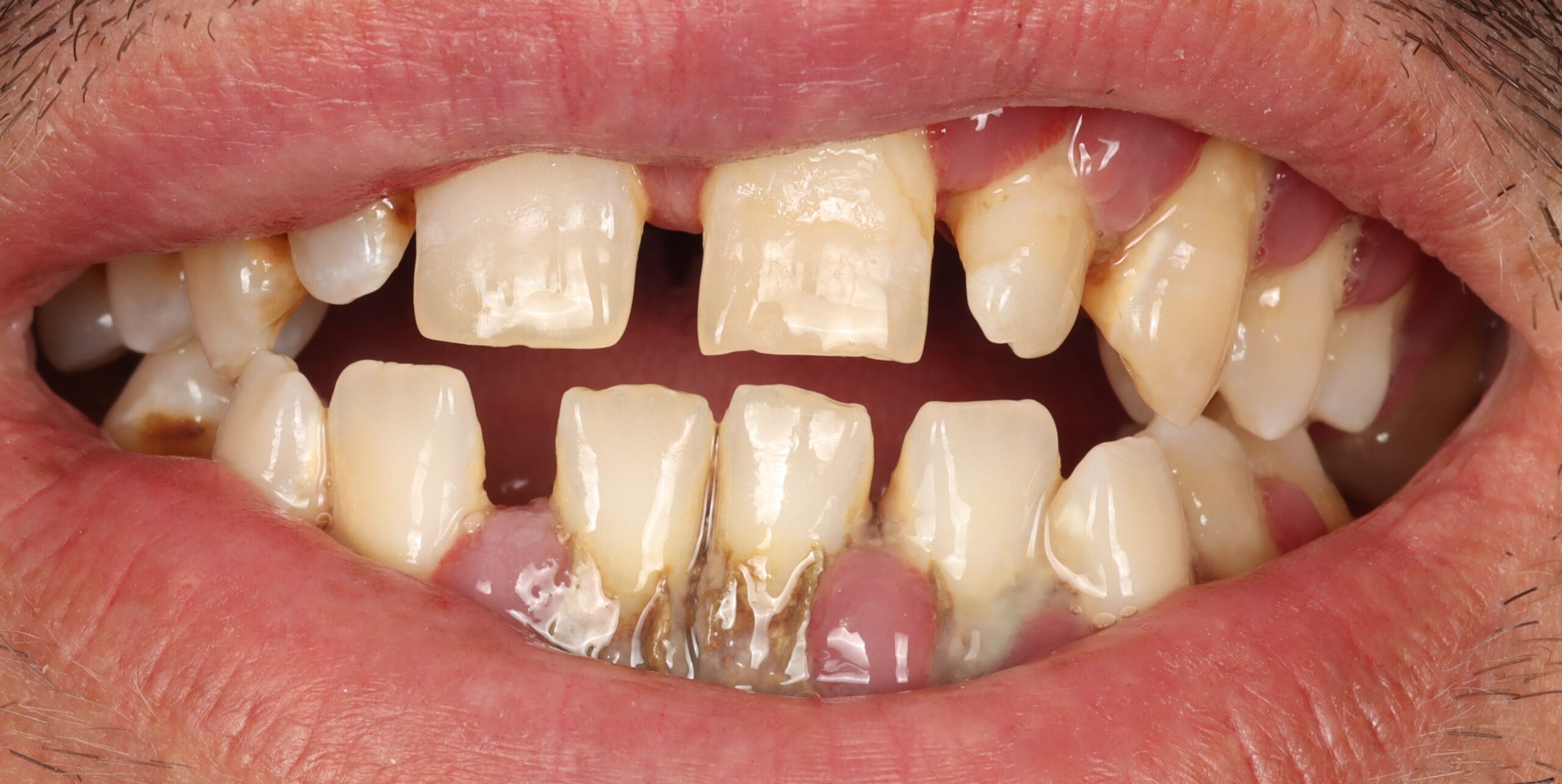
If left untreated, early gum inflammation can progress to more advanced gum disease, affecting the bone that supports your teeth.
When Bleeding Gums May Signal a Bigger Issue
You should consider seeing a dentist if bleeding gums are accompanied by:
- Swelling or redness
- Persistent bad breath
- Gum tenderness or soreness
- Gums pulling away from the teeth
- Bleeding that doesn’t improve after a week or two
These signs may indicate that gum disease is progressing beneath the surface.
Why Early Treatment Matters
Gum disease often progresses quietly, without significant pain in the early stages. Addressing bleeding gums early can help:
- Reduce inflammation
- Prevent bone loss
- Protect the stability of your teeth
- Avoid more complex treatment later
Early care is usually simple and highly effective.
What You Can Do Right Now
If your gums are bleeding:
- Brush gently with a soft-bristled toothbrush
- Floss daily, even if bleeding occurs at first
- Avoid aggressive brushing
- Schedule a dental evaluation if bleeding continues
Professional cleanings remove plaque and tartar that brushing alone can’t address.
Gentle, Clear Dental Care in Carson
At Heart Dental, we focus on identifying the cause of bleeding gums and explaining your options clearly. Our approach is calm, thorough, and tailored to your comfort without pressure or judgment.
When to Schedule an Appointment
If your gums bleed regularly or don’t seem to be improving, it’s worth having them checked.
Contact Heart Dental to schedule an evaluation and get clear guidance on your gum health.